

My father came unbidden into my memory yesterday as I was putting my daughter to bed. It is this same nagging thought: “Where is he?”
He is physically no longer there but spiritually just a little out of reach. It’s as if he is on the other side of a wall. A wall with a micro peephole, where, once in a while, a flash of a shadow, unmistakably him, passes by.
And I will think of him. And feel his presence, and wonder again where he has gone.
I wish there were ways for me to communicate with him again.
I had a glimpse of that when I crashed into his “boys’ trip” in Vietnam—to date my most memorable experience with my father. I saw him as his whole self then. Not in the presence of my relatives as a brother or an uncle, and certainly not at home as my father, but as a person in this world in this life.
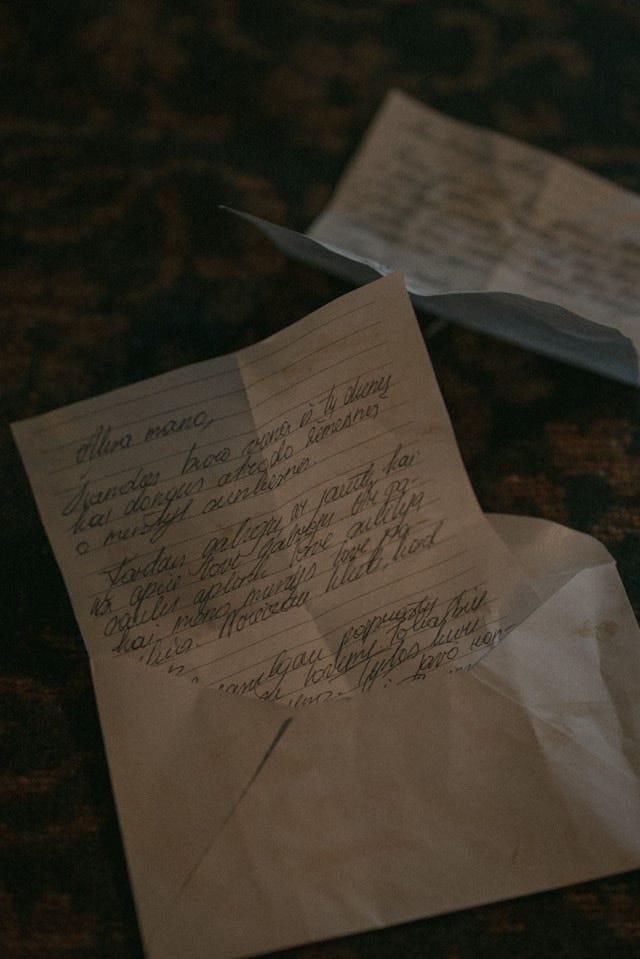
Once, as I was digging through old photo albums in my Taiping house, before everything was lost due to the major renovation, I found, within the dusty pink-sheened photos, a letter tucked away, forgotten.
It was a letter my father wrote to my mother during one of those times he was working away from home, before we, his children, were born. He will continue to work all around Asia during my childhood years, but this was clearly still the beginning.
My hands trembled as I unfolded the letter, not only with worry that it would crumble under my fingers, but also because it felt like I was trespassing.
I did not know that my dad could write. He was the artist of the family—he used to draw realistic horses for me. He was also a builder. I’ve witnessed him working on his meticulously drawn house plans numerous times, lips curled, eyes shining.
I never inherited this skill of his, but I have always been the one with words in the family. And reading his words gave me a chill. I had a feeling I caught a glimpse of my dad, possibly in his early 20s, just as I was at that time. I connected with how he felt instantly—loneliness, longing, and displacement.
My dad was a whole person, with a life, before and after me, and outside of me.
Recently, I reread “The Paper Menagerie” by Ken Liu. The first time I read it resulted in a tear-soaked pillow, and it did not make it any less heart-wrenching the second time around.
In this story (spoiler alert), the protagonist’s mum has a magical power—she folds origami animals, then brings them to life with a breath. It was one of the little ways she could connect with her son, besides speaking in her language, which, unfortunately, later divided them.
The magic faded as the protagonist grew up. Paper animals no longer seemed real, breaking their only connection. And only years after she passed did she manage to reach her son through space and time—with written words hidden in his very first paper tiger. Even though she wrote in the only language she knew, they still reached him.
Just like her magical paper animals, words were her magic, too. And this is one of the reasons why I write. It is the only magic I know.
But I cannot help feeling that words are losing their magic. AI put together what seems like writing, predicting one word after another.
My father’s letter reached me because I could feel what created those words. But with AI, no one is there—no loneliness, no longing, nobody reaching across space and time; only emptiness
If my children stumble upon my letters, will they feel the magic? Will they know the difference?
Related readings:


"My dad was a whole person, with a life, before and after me, and outside of me" — that line stopped me.
I've been circling that same realization with my own mom, who has Alzheimer's. I never really got the chance to know her as a full adult before the disease took hold, so I've spent the last few years piecing her together from old letters, photos, and secondhand stories the way you describe finding your father's letter.
It's strange and moving to discover a parent as a person separate from the role they played in your life — and a little heartbreaking that it so often takes losing them, in one way or another, to go looking.
It's my birthday today, and I feel like stumbling into this post of yours is my Dad sending me a greeting from heaven or wherever he is now. Thank you for sharing! <3